
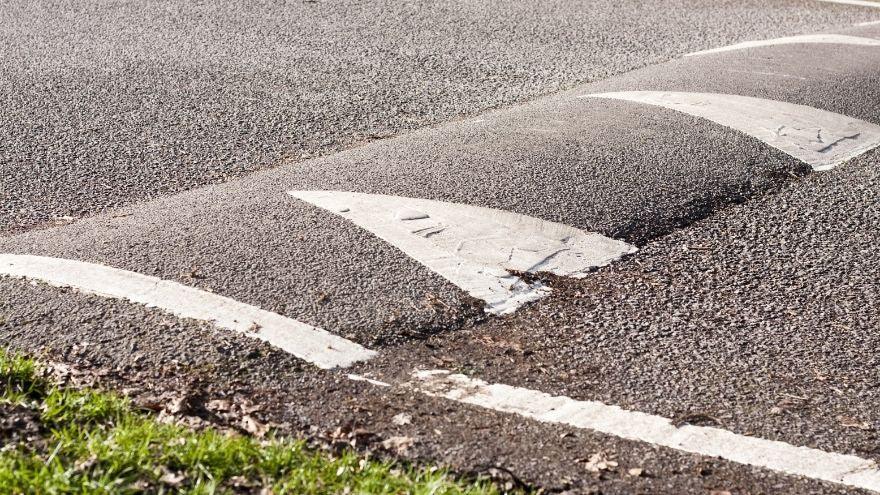
Hitting speed bumps too fast, or hitting aggressively designed humps, can damage your car’s suspension, leading to issues with shocks, struts, and bushings, as well as impacting tyres, exhaust pipes, and even wheel alignment. While the suspension is designed to absorb bumps, it can be overloaded by excessive speed or impact, causing components to stretch beyond their limits or break. Factors like the speed bump’s design and your vehicle’s ground clearance, particularly with low-slung sports cars, can influence the type and severity of the damage.
How Speed Bumps Damage Your Suspension
Bottoming Out:
Driving over a speed bump too fast can cause your suspension to “bottom out,” meaning the suspension travel is completely exhausted, resulting in a hard impact that damages components like shocks and struts.
High Stress:
The faster your vehicle travels over a bump, the more stress is placed on the suspension components, accelerating wear and tear.
Component Failure:
Hitting a speed bump at speed can stretch suspension parts beyond their capabilities, leading to premature deterioration or even breakage.
Tyre and Wheel Damage:
High-impact forces from speed bumps can also damage tyres, leading to structural failures, or stress components like wheel bearings.
Underside Damage:
The underside of the car is vulnerable, with components like the exhaust pipe or even the engine/transmission oil pans being at risk of being hit or ripped off, especially on low-clearance vehicles.
Factors That Increase the Risk of Damage
Speed:
The most significant factor is the speed at which you hit the bump; the faster you go, the greater the stress on the suspension.
Bump Design:
Narrow or aggressively shaped speed bumps are more likely to cause damage than long, smooth ones.
Vehicle Ground Clearance:
Cars with low ground clearance, such as sports cars, are more susceptible to damage from speed bumps.
Vehicle Condition:
If your suspension already has underlying issues, such as worn bushings or ball joints, speed bumps can exacerbate these problems.
How to Prevent Damage
Slow Down:
Always reduce your speed significantly before approaching a speed bump to allow your suspension to absorb the impact smoothly.
Angle the Vehicle:
For low-slung cars, driving at a slight angle to the speed bump can help minimize the impact and prevent damage to the front bumper or underside.